
Below is a review of the posts on Facebook and LinkedIn from the past week. You can check out the full posts by clicking on the links.
NOTE: remember that we now post every other day.
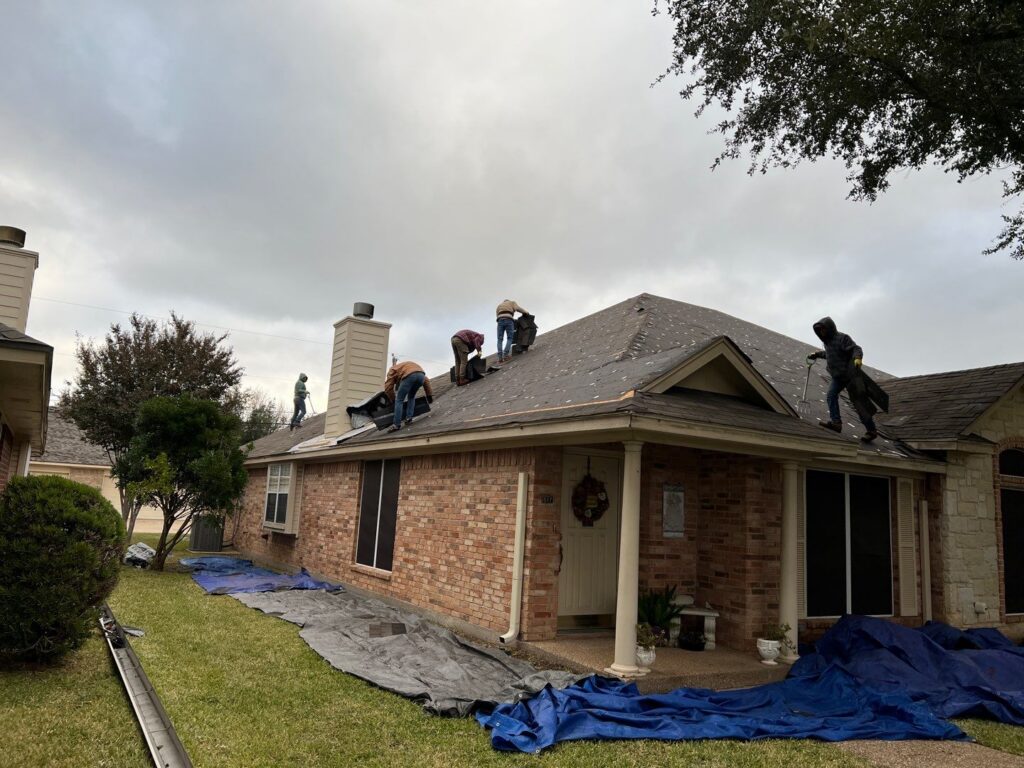
The posts on Monday 3/30/2026, here and here, explained new research highlights growing importance of reserve studies in community associations (condominium, HOA, cooperative). Important for current and future owners as well as Board members and industry professionals.
The Foundation for Community Association Research report should help community associations understand and proactively plan for the maintenance and replacement of critical infrastructure in light of the effects of rising construction costs, aging assets, and inflation on preventing unexpected costs, deferred repairs, and special assessments for homeowners.
Let’s first look at what is a reserve study and why it matters. Reserve studies are budgetary planning tools that help community associations understand and prepare for the maintenance and replacement of shared infrastructure such as those listed in the post. Each study includes a physical and financial analysis and a recommended funding plan to help the community complete projects on schedule without relying on emergency funding or special assessments.
How Dawn M. Bauman, CAE, chief executive officer of Community Associations Institute, explains it is in her quote in the post.
And why does this matter to homeowners? More than 77 million Americans, about one-third of the population, live in 373,000 community associations nationwide. And since those associations fund and maintain critical infrastructure, reserve studies help protect homeowner investments, maintain neighborhood stability, and prevent unexpected assessments that could affect property values.
The Foundation’s key findings include that:
• Reserve studies are widely adopted and essential. Nearly all associations surveyed maintain a reserve study, and most boards treat it as an ongoing planning tool rather than a one-time report. This is good as it ensures continuity from board to board and protects owners investment in their home and the community;
• Funding gaps persist. Many associations are still underfunded or partially funded due to rising construction costs, inflation, and aging infrastructure. The homeowners need to decide whether to risk a large special assessment or get their reserves to where they should be with increased assessments (and maybe a smaller special assessment);
• Communication is the biggest hurdle. Boards report difficulty explaining reserve studies and funding needs to homeowners, particularly regarding assessment increases; and
The other items listed and described in the post.
There is a link in the post to the full Reserve Study and Funding Trends survey and related research. CAI’s Reserve Study Standards (also linked in the post) provides guidance on best practices and its Condo Safety resource center (yep, also linked in the post) has information on structural integrity and condominium safety policy efforts.
TAKEAWAY: Community associations must maintain certain infrastructure; how much depends on the individual association. Maintenance can mean repair or replacement, both of which mean dollars. And those dollars come from the homeowners, whether in smaller assessments over time or, if need be, in large(r) special assessments. Reserve studies can help avoid the large special assessments while protecting the investment in the community.

The posts on Wednesday 4/1/2026, here and here, were not a joke; we saw EEOC sues Coca-Cola bottler for excluding men from work trip, violating Title VII. It’s a short complaint that is straight to the point.
Coca-Cola Beverages Northeast allegedly violated Title VII by privately inviting women workers on a two-day networking trip in September 2024. The EEOC pointed to the failure to invite men to the employer-sponsored event as the basis for suit. Additional facts about the trips also supports the EEOC’s allegations – see the post.
This EEOC suit is another in a string of recently publicized lawsuits involving majority-group plaintiffs alleging discrimination (and foreshadows, or proves out, the EEOC homing in on reverse discrimination as a strategic priority shift for 2026). Quotes from the acting EEOC general counsel issued at the time the suit was filed are in the post.
Coca-Cola Beverages Northeast maintains that it did not violate Title VII, but was fully legally compliant. It believes the EEOC did not conduct a full investigation. More of what it said about the event and the suit is in the post.
TAKEAWAY: There is a different EEOC with different operating procedures (related to how and what it investigates and what its enforcement priorities are) – and potential majority discrimination and reverse discrimination are high on the agenda.
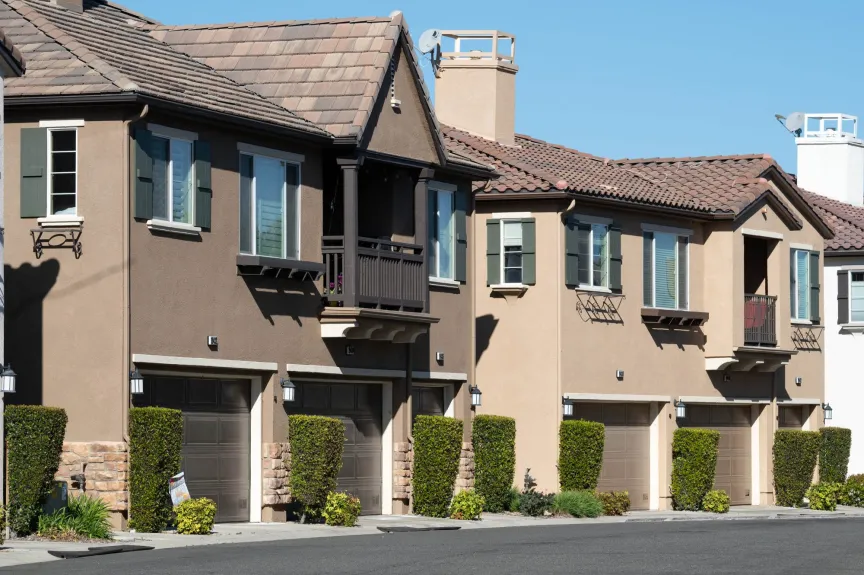
The posts on Friday 4/3/2026, here and here, noted more condominium rules coming for/from Fannie Mae, Freddie Mac – important for homeowners, board members and managers!
The Federal Housing Finance Agency (FHFA) recently announced several rules for condo associations seeking to remain eligible for Fannie Mae and Freddie Mac financing — or risk getting blacklisted (which has been an ongoing problem even before the rule changes – see the link in the post). A substantial portion of condo units are financed by loans bought or guaranteed by Fannie or Freddie, so lack of eligibility means there is less chance of units in the condominium selling, driving down property values (and losing equity for owners).
This all started when Fannie and Freddie began a stiffer approval process for condos after the Surfside towers collapsed in June 2021 in Florida. Communities that don’t maintain the new standards are put on a “do not lend” list (linked in the post) that ultimately blocks them (and the units_ form financing options through Fannie or Freddie. And for the condominium associations that are already blacklisted, digging out might prove much tougher under the new rules. So put on your seatbelt and let’s look at the changes.
The categories of things affected by the new rules are budget reserves, the buyers’ condo eligibility review process, roof replacement insurance and interior insurance policies called HO6. Let’s look at them individually.
First, and it should be no surprise, reserves requirements are increasing. As of July 1, the condo cash reserves requirement is increasing from 10% to 15% of the annual budget. This is mid-fiscal year – i.e., approved budgets are already in place – so where is that money going to come from? See the post. It may take a few years for associations to get back on track and catch up with this increased funding requirement (because if more of the budget must be directed to reserves, the total budget must increase to cover other operational items).
And what about the (infamous) condo questionnaire for buyers (linked in the post)? When someone is buying a condo unit, the association either receives a questionnaire waiver from Fannie Mae or Freddie Mac or the questionnaire has to be completed. Some of the information covered by the questionnaire is in the post. There is a middle ground, a “limited review,” that is much more cursory than the full questionnaire review but not as simple as a complete waiver. So what changed?
Starting August 3, there will be no more middle ground. There will either be a full review or a waiver will be required. Why does this matter to buyers and associations? A full review is expensive. Management companies usually charge $200-$500 to complete the questionnaire. And expedited fees (to meet closing deadlines) can add $200 or more. Other than the monetary aspect, what is the effect of more full reviews? See the post.
It is unknown if a condo association will automatically receive a waiver once it passes muster the first time.
Roof insurance is also changing under the new rules. Instead of full reroofing replacement costs — called replacement cost value (RCV) — FHFA is now allowing roofs to be insured using actual cash value. See the post for how that’s calculated. The intended purpose in this change is to reduce the insurance premium for some associations and, for others, it will allow them to have roof insurance in markets not offering RCV.
Let’s look at an example of the effect of this new rule. Assume a condo complex roof cost $1 million to install 20 years ago. Assume the replacement cost today is $3 million. Assume the actual cash value of that roof is $200,000. Under the new rules, Fannie and Freddie will allow coverage of just $200,000.
That seems great, right? Well, maybe not. As but one example, the association could be in big financial trouble if it needs to reroof after a fire. If there is only $200,000 worth of insurance coverage but the true RCV is $3 million, there is a $2.8 million gap (excluding any deductibles). That money must come from somewhere – most likely the dreaded special assessment.
From the insurer’s perspective, there may be no appreciable difference in premiums based on the rule change – or it might restrict coverage. See the post for details. So a condo association may be faced with a higher premium for RCV or going without roof insurance.
And what about the change to HO6, interior insurance, coverage?Some associations require owners to obtain that coverage, but states usually do not. Under the rule change, individual interior insurance coverage of the owner’s individual unit, called HO6, will be mandatory as of July 1 — if not covered in the association’s master policy.
The premium for HO6 insurance is the owner’s responsibility – the typical cost is noted in the post. This change may cause more administration for management by way of collecting HO6 declaration pages or other evidence of coverage.
So what do these changes mean for potential condo buyers going forward? Buyers should look carefully at the financials – or have an expert do it for them – and associations should be prepared to deal with that heightened scrutiny. Buyers should find out if the condo association is Fannie or Freddie approved or on the blacklist (so the association should know this up front and, again, be prepared to deal with the result). Buyers should also look at the building’s roof and find out what the association will do with roof insurance after this change is effective. (Why that may matter is explained in the post.) And HO6 insurance – once mandatory, there will be that extra financial burden (but for an important reason).
TAKEAWAY: Everyone touching a condominium association – owners, Board members, managers, and potential buyers – must understand these rules and know the effect on and response by condo associations going forward. Work with a community association lawyer.